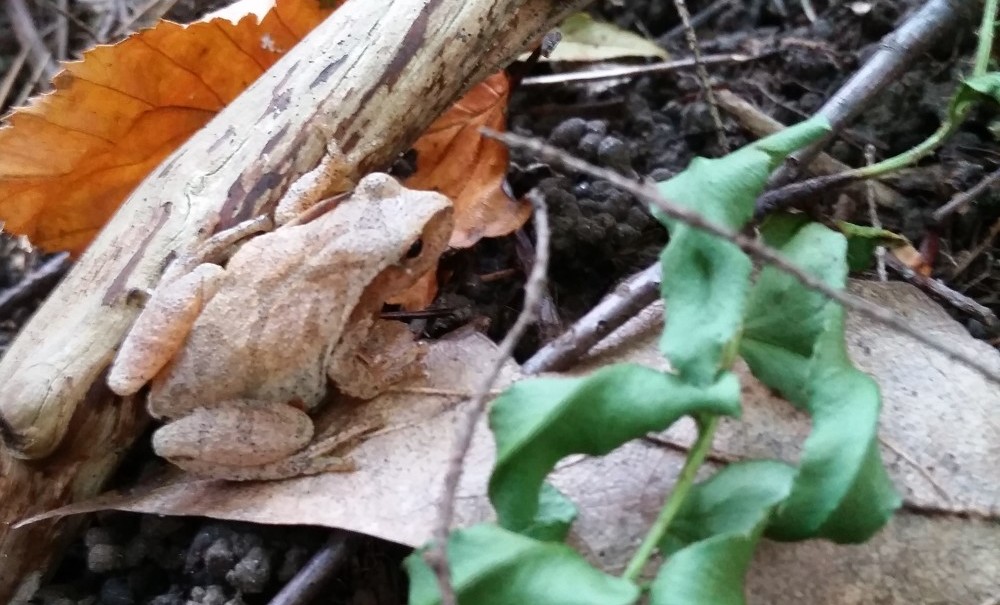
a spring peeper on a leaf

Roaming the Valley – ancient lakes, frogs, and sand volcanoes

Despite wintry weather chewing at my edges I’ve spent plenty of time outdoors roaming the Pioneer Valley in the last few months. In late January, UMass geoscientist Julie Brigham-Grette took me for a McPhee-style gander through regional geology:

Right now, we’re turning down a squelchy, pitted dirt road in the back fields of Sunderland. Minutes ago, Brigham-Grette told me that a local Hadley farmer banned her from his fields — she’d driven back there for a geology student field trip and buried her wheels in the mud. The farmer had to haul her out.

“I sent him a thank you card, I even sent a UMass hat,” she said. “But he still won’t let me come back.”

The back of her hybrid hatchback is stuffed with large maps and diagrams that block the rear view. Up front, it’s just the two of us and our muddy hiking boots. We pass a small road sign.

“Not maintained in winter,” Brigham-Grette reads aloud. “Well,” she adds, “we’re not going to get stuck.”

Very reassuring.

Brigham-Grette, a rail-thin geologist with straight blond hair and a flashbulb smile, first arrived as a professor at UMass 30 years ago. She specializes in paleoclimate, or ancient shifts in climate, and what those changes tell us about our climate today. Her work has taken her from the Arctic Circle in Alaska and Siberia to right here in our own backyard. In the process, she’s racked up an impressive body of knowledge about the geologic past of the ground below us.

Photo of Julie Brigham-Grette with a shovelful of sand

Today she’s showing me how that history meters everything about life in the Valley, from the agriculture to the economy to the drinking water.

Read more at the Daily Hampshire Gazette

One amazing feature Brigham-Grette showed me was these sand volcanoes. They’re artesian springs emerging from base of an ancient delta deposited in glacial Lake Hitchcock some 13,000 years ago. The delta’s big package of sand now forms a hill, in which thin layers of lake mud trap infiltrating rainwater, creating water pressure. When the pressurized water hits the edge of the hill, it spurts right out.

The water’s clean from filtering through meters of sand, so it’s used for drinking water and to feed artificial fish ponds at the Sunderland trout hatchery, where I took this video. I’ve seen such little volcanoes in Brazilian rivers, but who knew we had them right in our backyard?

This month, meanwhile, I wrote about frogs. I was pleased to have three of my own photos of local frogs featured with the piece.

Within the next few weeks the earliest of them will start calling — spring peepers, whose high, eager cries have always reminded me of the belling of a pack of faerie hunting hounds.

An age-old symbol of transformation, frogs couldn’t be a more fitting sign of spring. In growing from tadpole to frog, these weird beings are the largest animals on earth to experience such complete metamorphosis from larval to adult form.

Their yearly chorus heralds the startling changes soon to overtake the landscape — buds burgeoning to silvery green leaflets and then to shading leaf; flowers unfurling extravagant banners; birds knitting finely-crafted nests. What the frog does the whole world imitates.

Read more at the Daily Hampshire Gazette

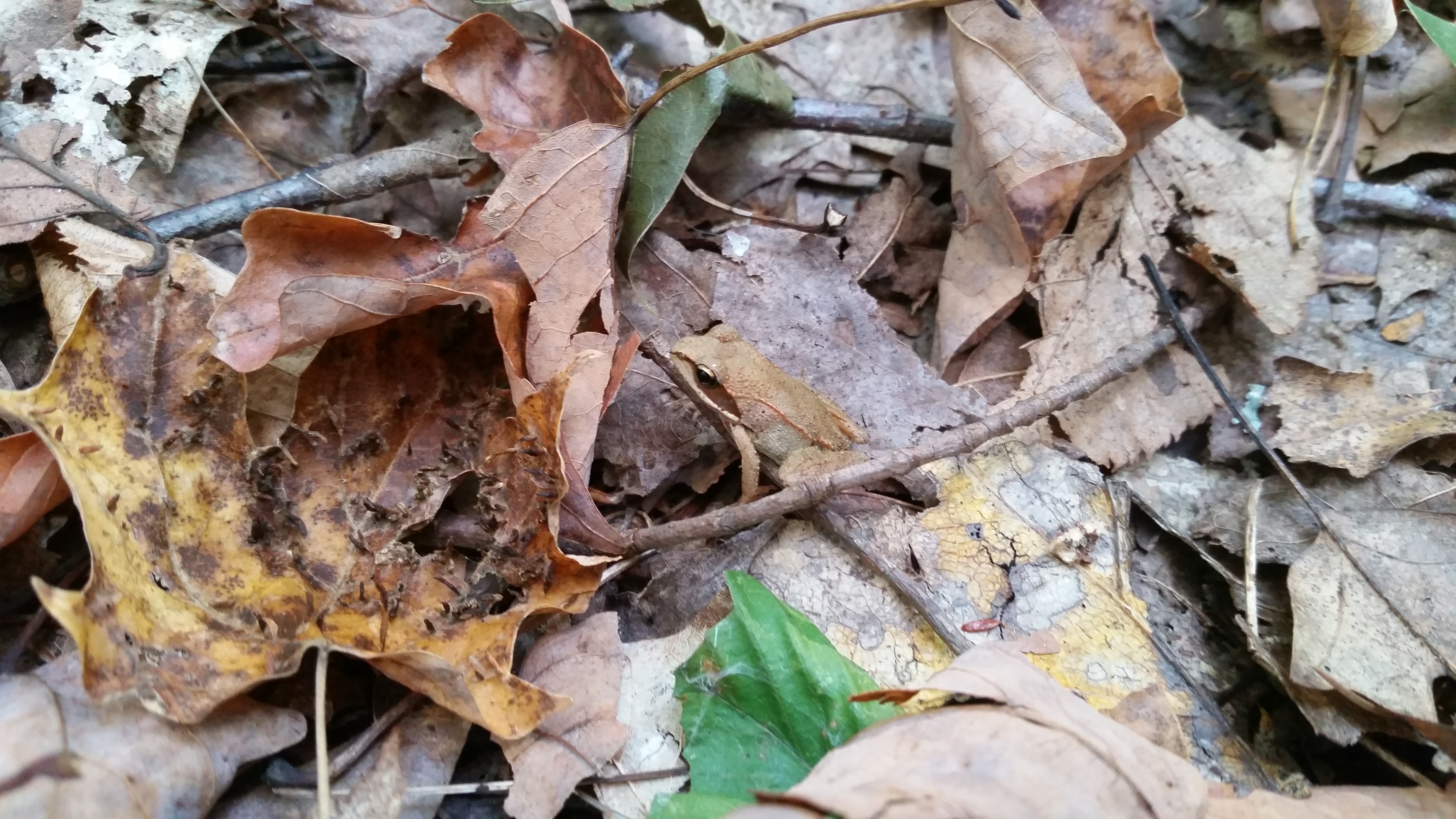
Find the frog:
a wood frog camouflaged among dry leaves

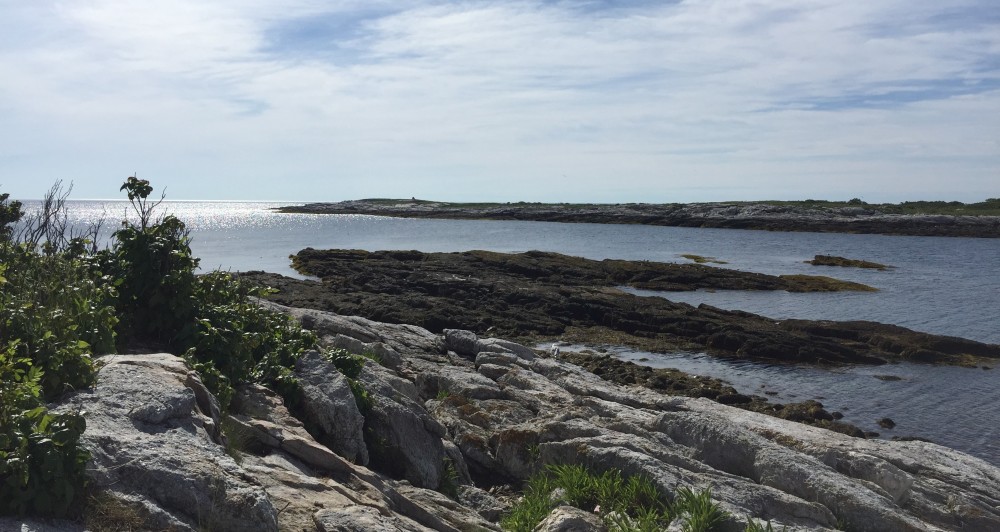
Picture of Smuttynose Island viewed from the shore of Appledore Island

The Isles of Shoals – Poems

This summer, I had the extraordinary opportunity to spend June as artist in residence at the Shoals Marine Laboratory on Appledore Island, one of the Isles of Shoals off the coast of Maine and New Hampshire.

As the first poet they’d had in the position, I spent many hours wandering the sea-washed granite outcrops, peering down microscopes alongside parasitology students, observing marine mammals with smart, passionate marine biologists, and accompanying sustainable fisheries experts on the boats of generous local fishermen to observe fishing practices.

Poetry has a long history on the Isles. In the late 1800s, poet and lighthouse keeper’s daughter Celia Laighton Thaxter ran a hotel and artists’ salon on Appledore, attracting visitors like Thoreau, Mark Twain, and Childe Hassam. Her poem The Sandpiper is one of my enduring favorites.

I wrote a lot during my short stay, inspired by the landscape, the animals, the fervor for exploration and discovery among the scientists, staff and students. Here are three poems published today by The Island Review.

On the Isles of Shoals

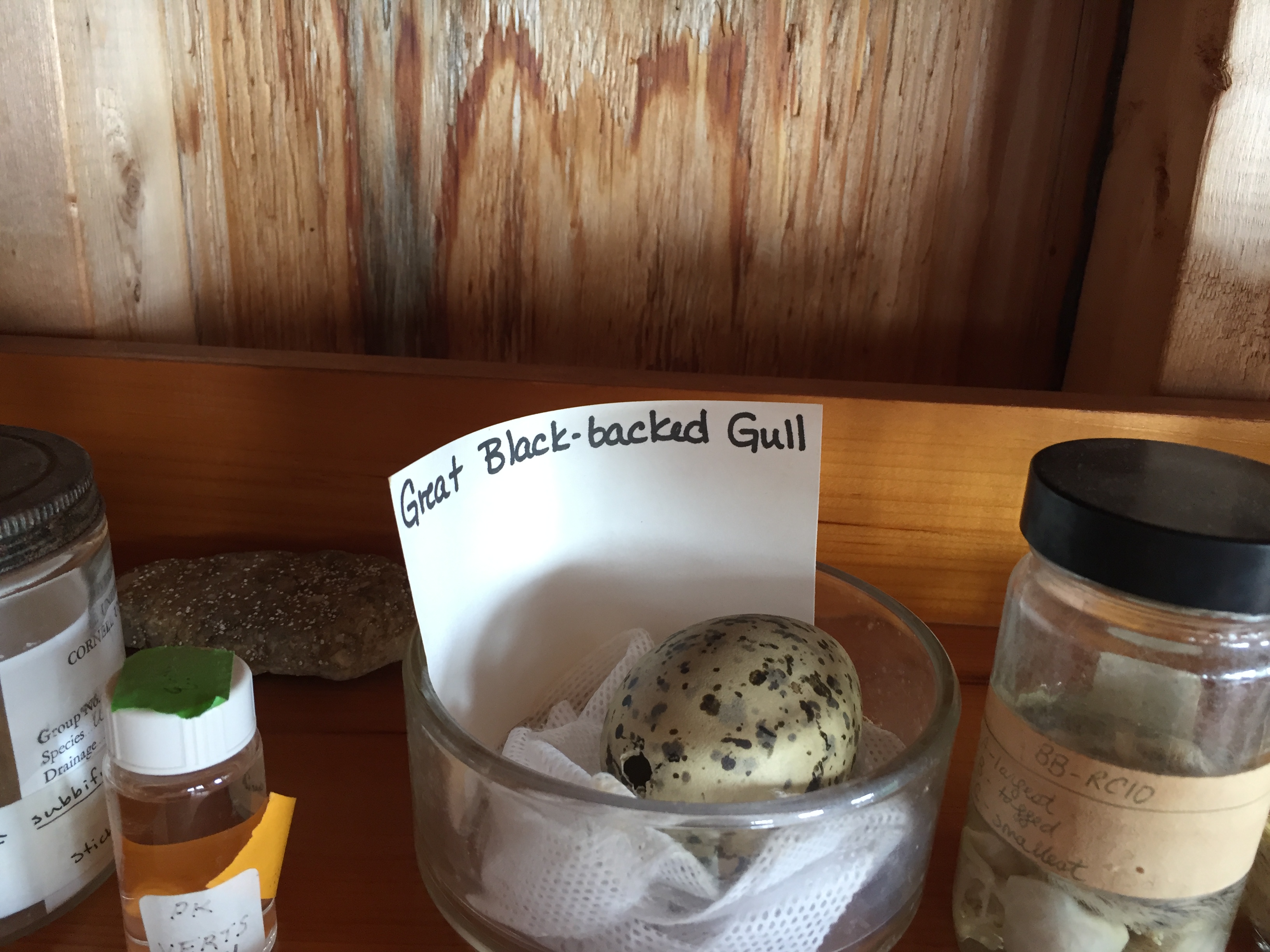
GullsEgg

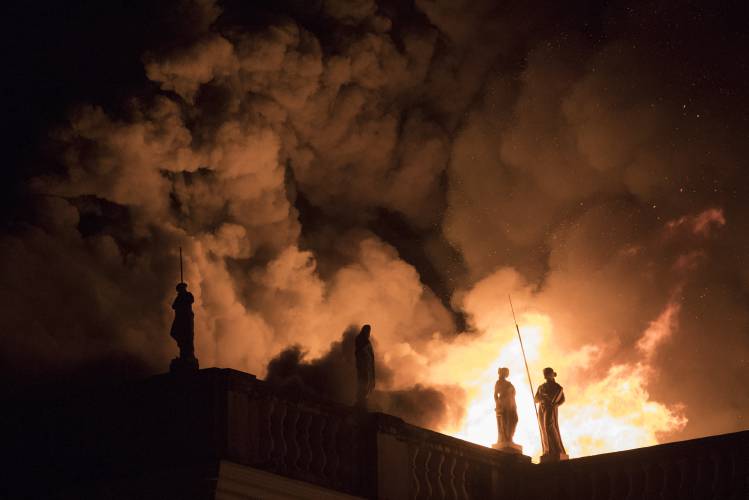
A world on fire

I’ve been slow to post my latest columns for the Daily Hampshire Gazette, so here’s a slug of them. Unsurprisingly, they all center on a similar theme – the way our world is heating, burning, every day hotter to the touch and to the thought.

While I’m posting, don’t forget to vote on November 6.

Photo credit: AP/Leo Correia

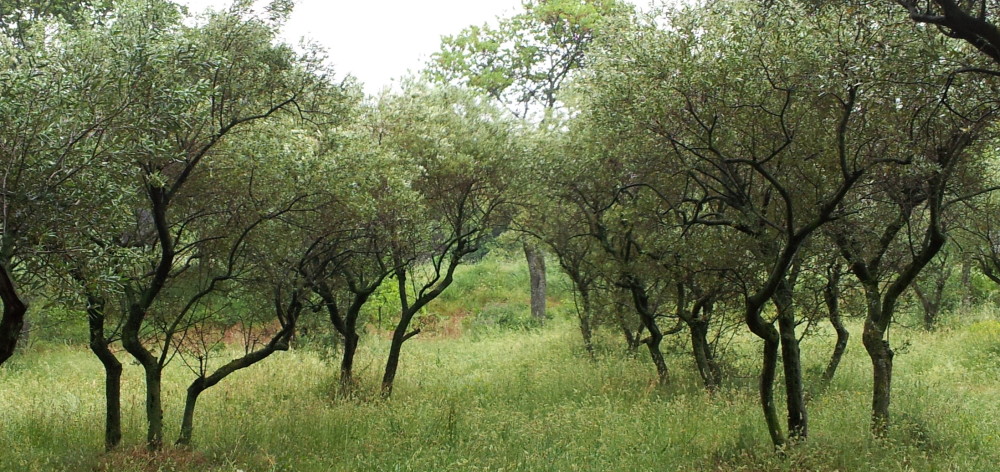
olives at St Remy de Provence

In Search of Vincent van Gogh

I sit on a hotel’s tile balcony, halfway to my destination. The midday sun lies hot on stucco walls and tile roofs. Between the buildings I see a sliver of sea; across the bay, a spine of green-sided mountains cuts the sky. Around me gulls call. All colors here are bright, clear, and strong: white like bleached bone, green the color of cactus, tiles brick-red, and the sea as blue as only blue can be described. Blue.

I am on my way from Barcelona to Arles, France, where Vincent van Gogh spent two of his final three years. In Arles he famously went mad, cut off part of his ear, and finally checked himself into an insane asylum in St. Remy de Provence, fifteen minutes to the north. In this region, also, he painted many of his best-known works: Sunflowers, The Night Café, IrisesStarry Night. The landscape of the region now surrounding me belonged, and in some sense still belongs, to him, who gave it some of its most memorable and permanent expression.

Vincent van Gogh is a writer’s painter. When I was younger, I struggled to connect to visual art. Paintings felt static and limited to me – they had no words in them. Then, browsing aimlessly in the library one afternoon, I happened upon van Gogh’s letters to his brother Theo …

– Read more at the Doctor T.J. Eckleburg Review

The land through native eyes

In my latest article for The Daily Hampshire Gazette, I contemplated the perspectives of indigenous communities on our relationship to land, partly in preparation for an author event on the same theme at the Forbes Library.

Two summers ago, I visited the grasslands of southwestern Brazil. I stayed at a fazenda, a farm property offering lodging for tourists on the side. Our pousada or lodge was especially tiny as these properties go — run by a woman and her partner who had rented space on the farm for their small business.

We grew friendly with our hosts over the week. Eventually, Mirjam and Wagner invited us to visit a nascent commune they were creating in a nearby village. There, with friends, they were trying to design a new and sustainable model of small farming.

Mirjam, who had immigrated to Brazil from Germany nine years earlier, spoke with passionate disdain of “agrotox” — the cocktail of pesticides, fertilizer, and genetically modified seeds distributed and applied by big chemical and agricultural companies.

Wagner, whose indigenous blood showed in his dark skin and almond eyes, showed us the circlets of their own vegetable beds: beans, tomatoes, bananas. The system, he explained, is called “agrofloresta” — growing plants together in mounds, seeking to harness each plant’s properties to create a more favorable environment for the growth of plants alongside it, just as in the forest.

He showed us plants with high nutritive value but not commonly farmed — plants known and used by indigenous Brazilians of the region. He had put together a display case of these seeds and beans which he poured into our palms for us to investigate.

…more

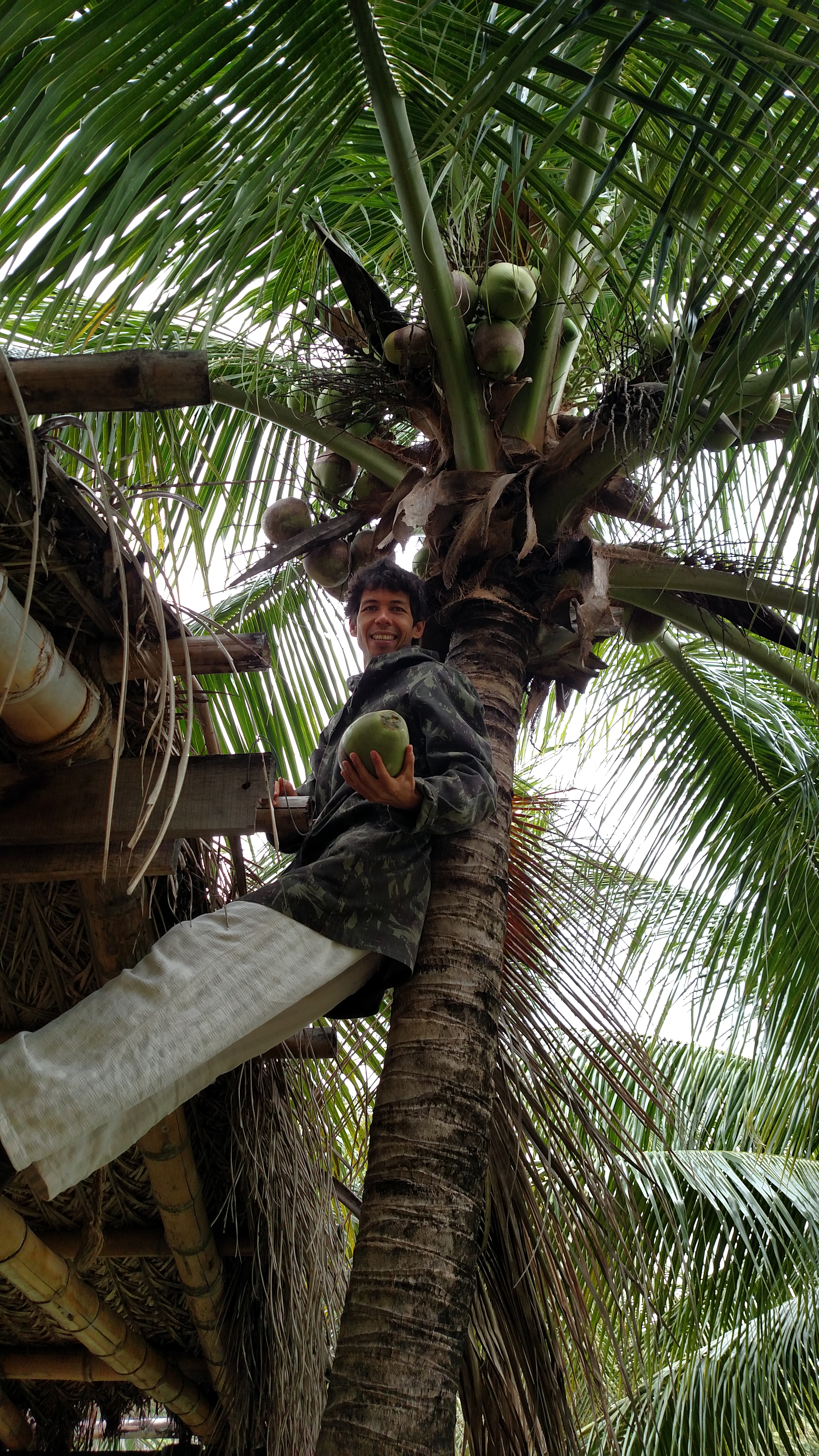
Wagner harvests a coconut at the Pantanal Ranch Meia Lua in Miranda, Brazil.

Wagner harvests a coconut at the Pantanal Ranch Meia Lua in Miranda, Brazil.

At the Native Americans and the Land author event mentioned in the article, poet Cheryl Savageau spoke about her Abenaki people.

For the Abenaki, as for many indigenous communities, everything in the land is a “subject” – not just the people, or even just the trees and the animals and plants, but also the wind, the stones, the clouds, the rain. Humans, too, are the Land.

“When I talk about the Land, it’s always with a capital L,” Cheryl said.

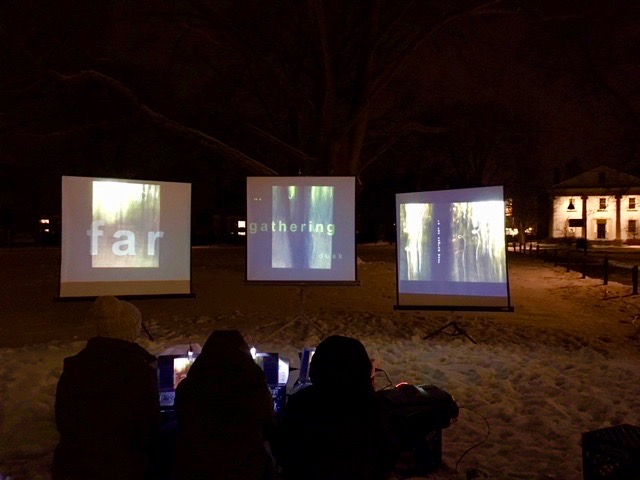
Dusk at MacLeish

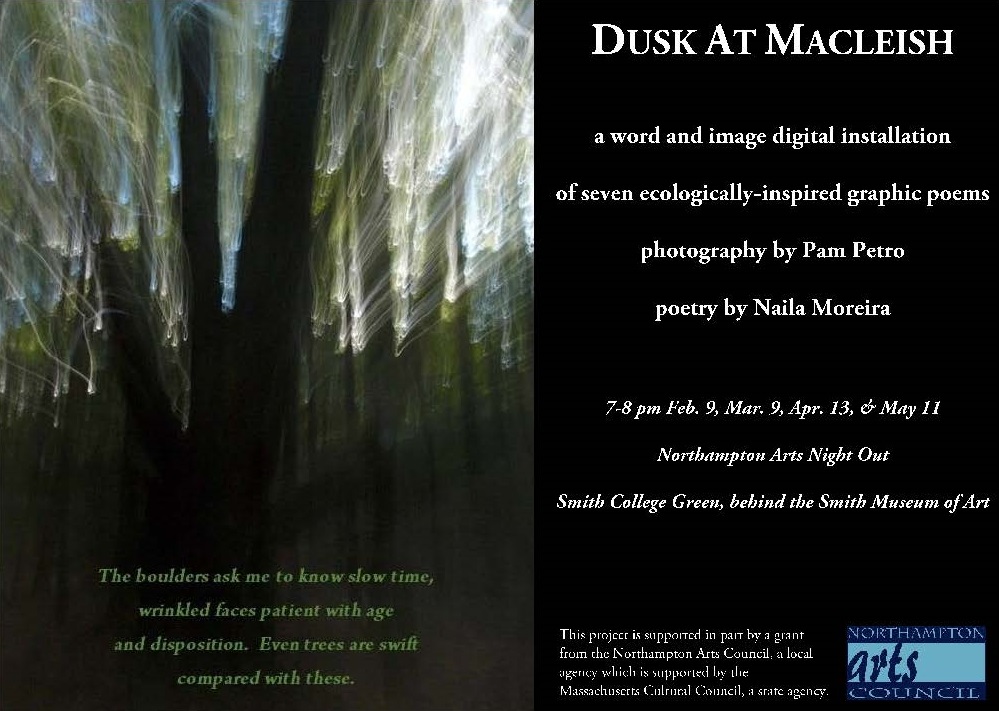
Dusk At MacLeish is a digital installation of ecologically inspired “graphic poems” at Smith College, a collaborative project pairing my poetry with the photograpy of Pamela Petro.

NOTE: The April and May showings will take place at 8 pm to accommodate the changing light.

Dusk at Macleish flyer

The poems and photos reflect on the forest landscape at the MacLeish Field Station in Whately, Masssachusetts, at dusk – its betweenness, liminality and fragility.

Below, one of the graphic poems, Old Homestead. Click for a slideshow.

The installation in progress:

Feb install 1

ForbesLibrary_Comics&GraphicNovels_header

Comics & Graphic Novels

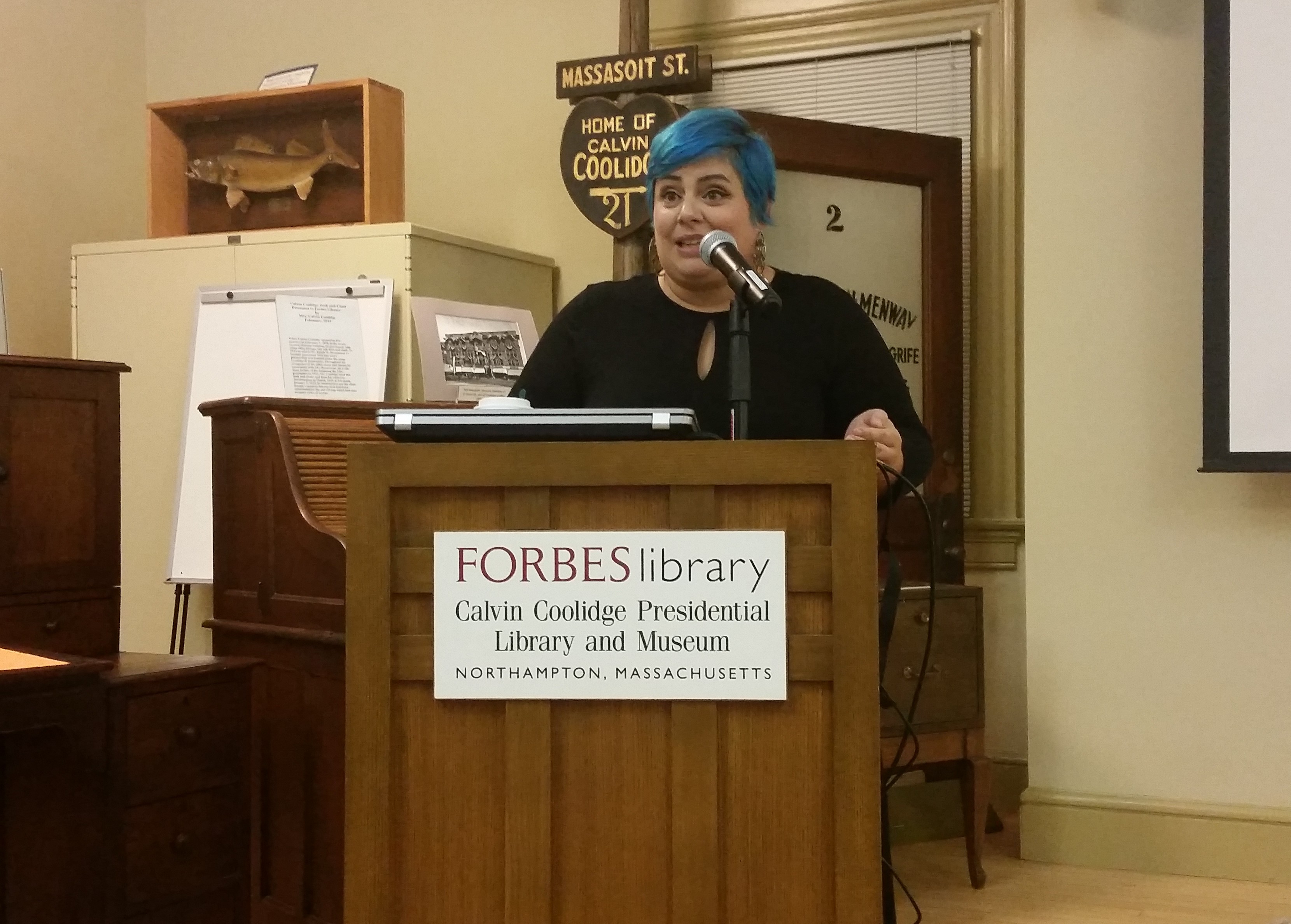
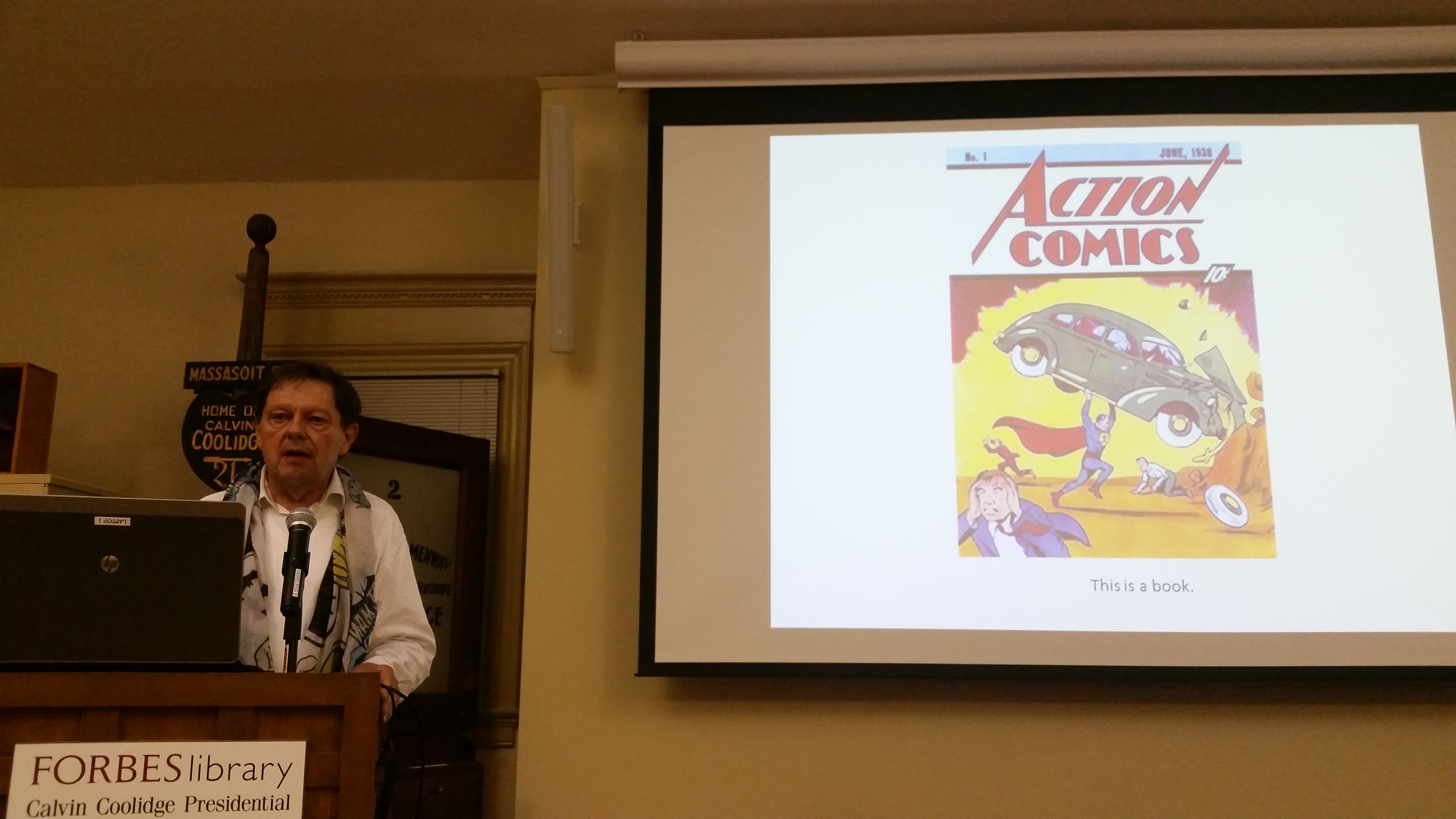
On October 11, comics luminaries N.C. Christopher Couch, Denis Kitchen, and Holly Black came to the Forbes Library in a event I curated as writer in residence, to talk about comics and graphic novels – the act of creation, the importance of the medium, and each of their working styles. I found their comments illuminating, so I’ll share them here.

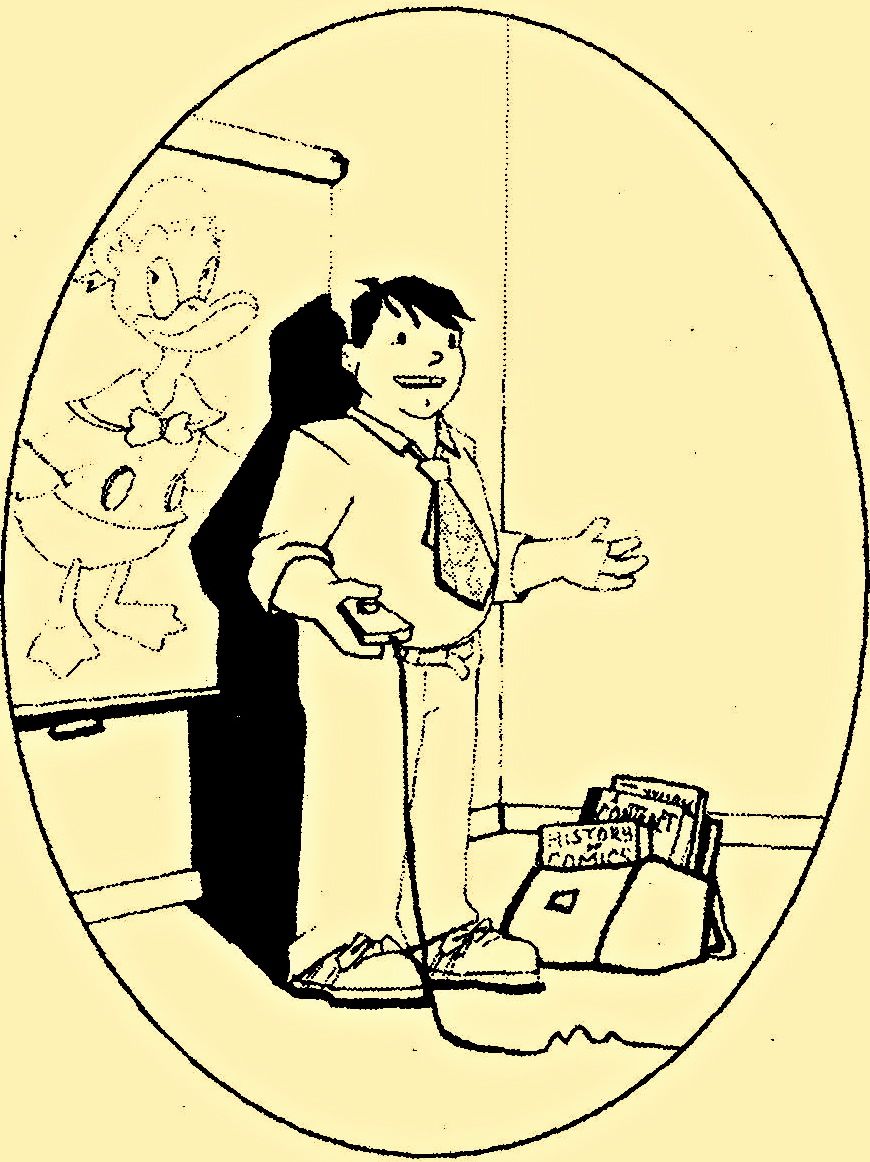
Chris Couch is a former editor at Kitchen Sink Press in Northampton and CP Manga in NYC, and a current scholar and teacher of graphic novels and comic books. He spoke about the place of comics in today’s literary universe.

Cartoon of Christopher Couch

Couch quipped that when the medium first entered the world of publishing, the comic book “wandered out into the world in its underwear.” With little formal backing, underground comic artists took to “living in garrets, panhandling on the streets of Berkely, whatever it took to become an artist.”

Despite this scrappy tradition, though, Couch said, the comic “has the DNA of short stories in it … but it’s its own artistic medium and deserves respect.” It has the same artistic richness as painting or sculpture, he said.

Today, comics and graphic novels are gaining a wider and wider readership. Young people in particular are reading comic books at a wicked clip. “People are going to read more comics because kids are reading them in school,” Couch said. Plus, he noted, “we’re really busy these days, and you can read a graphic novel faster than you can read a novel.”

Especially in the digital age, he said, comics offer unique pleasures. He noted that because online comics are often made very fast , creators “do awkward things.” Those little idiosyncracies, errors, and slapdash solutions form part of the enjoyment, giving readers a sense of being closer to the artist. “You’re really getting the raw thing when you read webcomics,” Couch noted. “There’s no editor between you and the work.”

“There are things you can do in comics that you can’t express in any other way,” Couch said.

Christopher Couch Action Comics

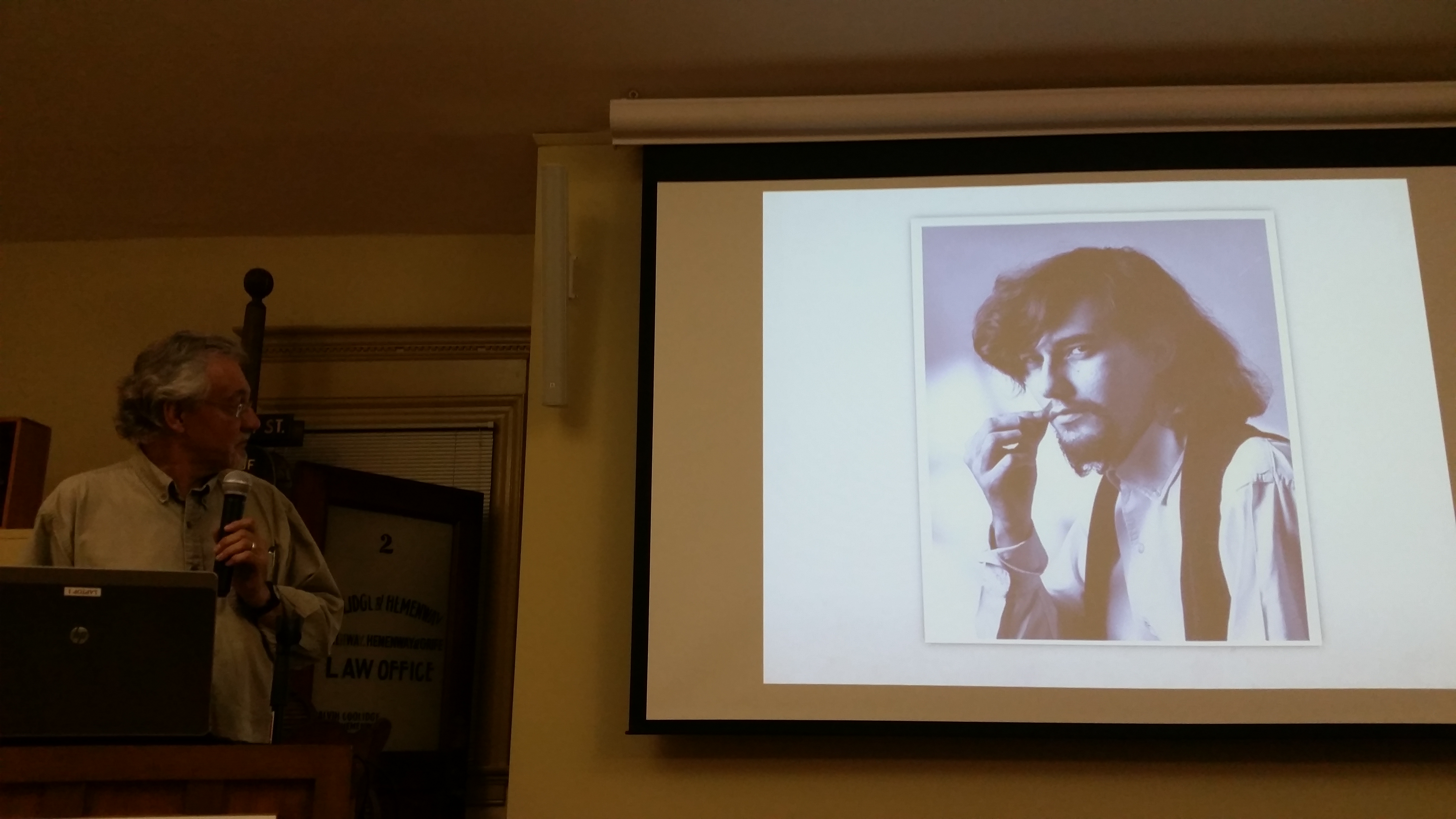
Denis Kitchen is the founder of Kitchen Sink Press, which published graphic novels by luminaries like Will Eisner, Hurvey Kurtzman, Neil Gaiman, Alan Moore, Trinna Robbins, Scott McCloud annd many others. He’s been in the world of comics since helping originate the “Underground Comix” movement in the 1960’s.

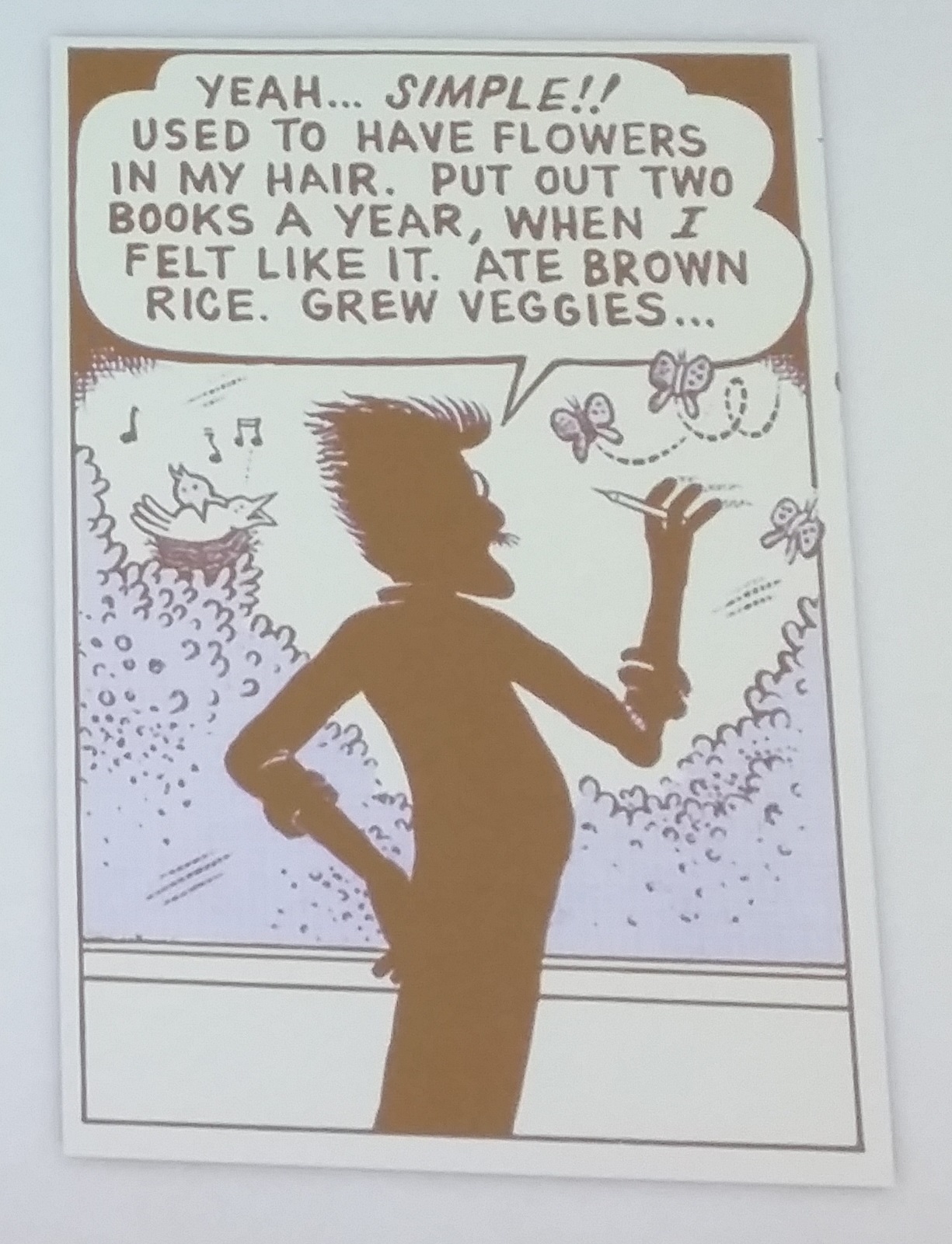
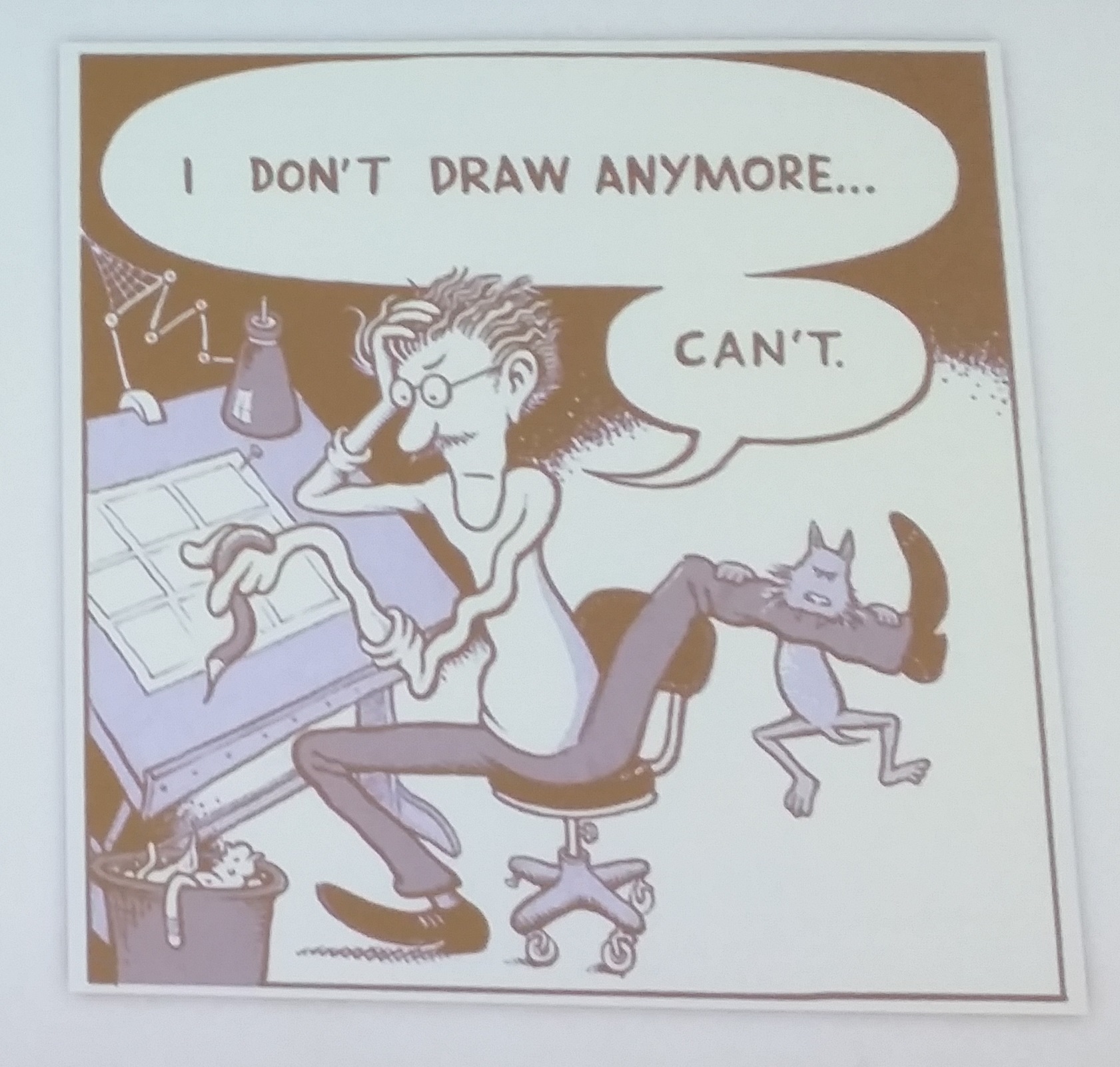
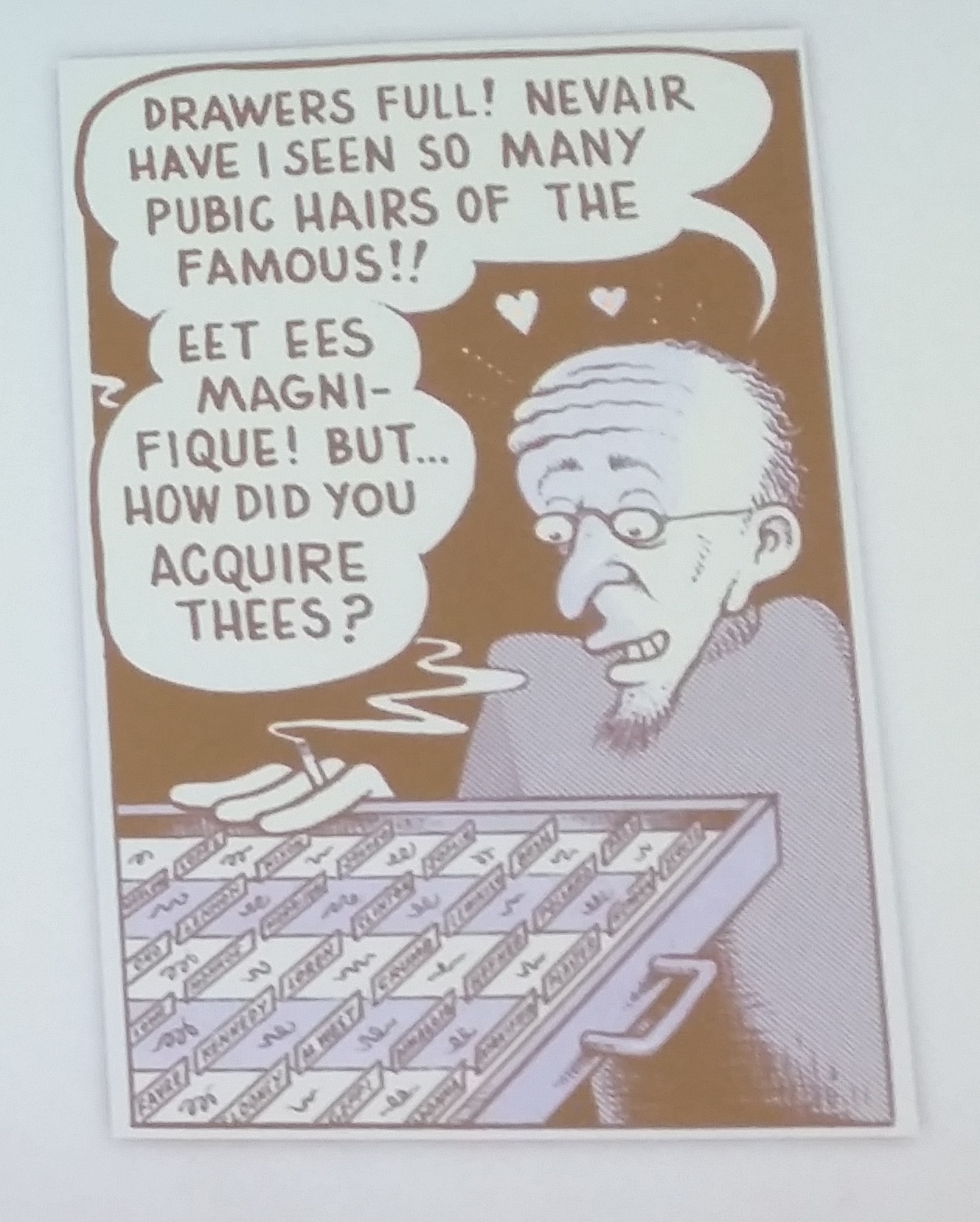
Kitchen’s also a comic creator in his own right, and he shared several hilariously wry short comic sequences from his own work. Many of them riff on his discomfort with his life as an editor and owner of a press. “I was a card-carrying communist and socialist,” he said, “so I felt guilty being a businessman.”

Denis Kitchen's hippie past~

denis kitchen flowers in my hair

by Denis Kitchen

~

denis kitchen i can't draw anymore
by Denis Kitchen
~
Denis Kitchen - Drawers Full!

by Denis Kitchen

Finally, Holly Black, the best-selling fantasy author of The Spiderwick Chronicles, the Coldest Girl in Coldtown, the new The Cruel Prince, and a couple dozen other novels, spoke about her experience bringing her writing into the world of graphic novels with illustrator Ted Naifeh as collaborator in their series Kin.

Holly Black at the Forbes Library

She had tons of fascinating insights about how an author works best with an illustrator.

“In comics, pacing is often dictated by panel size,” she noted. “In a novel, you bury a clue. But in comics, that’s completely unfair.” Instead, a good clue should be placed somewhere in a full-page panel or other illustration that similarly indicates the importance of that moment in the plot.

“The constraints of comics to me are their real pleasure – the ability to write something like poetry,” she said.

“You have to give up certain kinds of control. You have to give up the right to set mood to the artist,” relying on illustration to create atmosphere, whereas in a book much of the atmospheric detail can come from written description. “As the writer, you’re the less important part of the collaboration.”

However, “there’s such a pleasure in working with that elegant line, the short line.”

Black said in her graphic novels, she likes to focus on “big visual moments and small character moments” that come together to form the world of the story. She mentioned receiving advice from Neil Gaiman, who told her to think of each single comic book as a full novel, and to tell it like that.

Bringing the evening back to Couch’s comparison to all great forms of art, she said that Gaiman advised her that, “the story at the front of the comic is not the real story of the comic.”

Instead, all three speakers agreed, comics, like all art, are vehicles for greater themes – friendship, anger, family, betrayal, death and love.

Sugar maples’ uncertain future

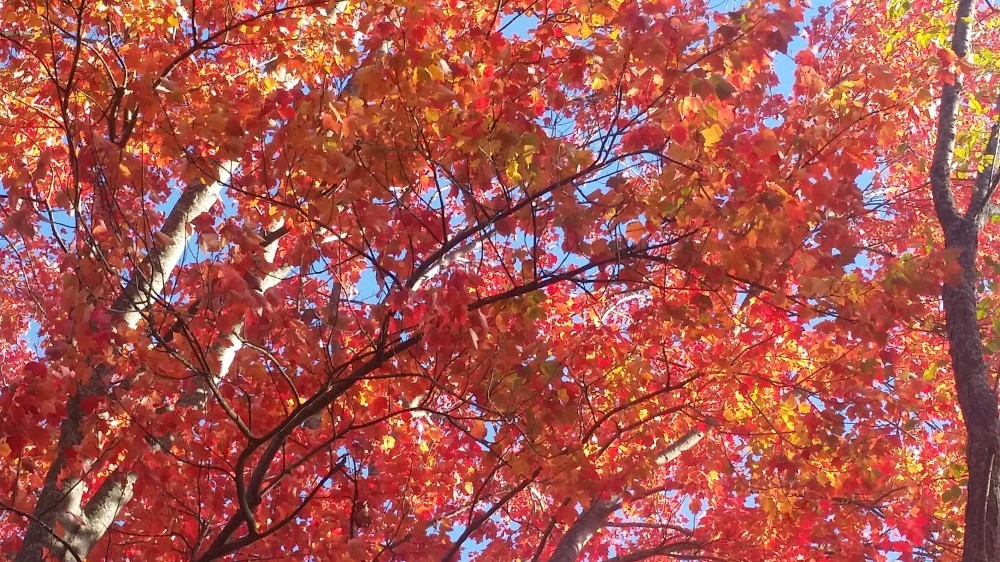
As the sugar and red maples finally turn from green to shades of red, peach, orange and yellow here where I sit writing beside the river, it feels like a good time to share my fears for them as New England’s loved and iconic tree in this new ecological future we are both living and creating.

From where I sit, I see a crimson-peach sapling reflected in the pool above the dam, rippled by wind, trembling there in watery mists of impermanence.

A Paean to the Dwindling Maple – Daily Hampshire Gazette

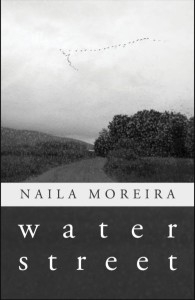
NEPR Interview – Water Street

This summer, I was interviewed about my chapbook Water Street by New England Public Radio’s Karen Brown for her summer literary series.

Summer Fiction: ‘Water Street’ by Naila Moreira

Naila Moreira is a science and environmental journalist who also writes poems. Her new book of poetry, “Water Street,” is immersed in the natural world. She wrote it while living alone in a farmhouse apartment on the Mill River in Leeds, Massachusetts.