Clearstories

I’ve been collaborating with photographer Stephen Petegorsky on a set of paired poems and photos, titled Clearstories. An excerpt from the project has now been published as an online chapbook at Terrain.org:

Clearstories

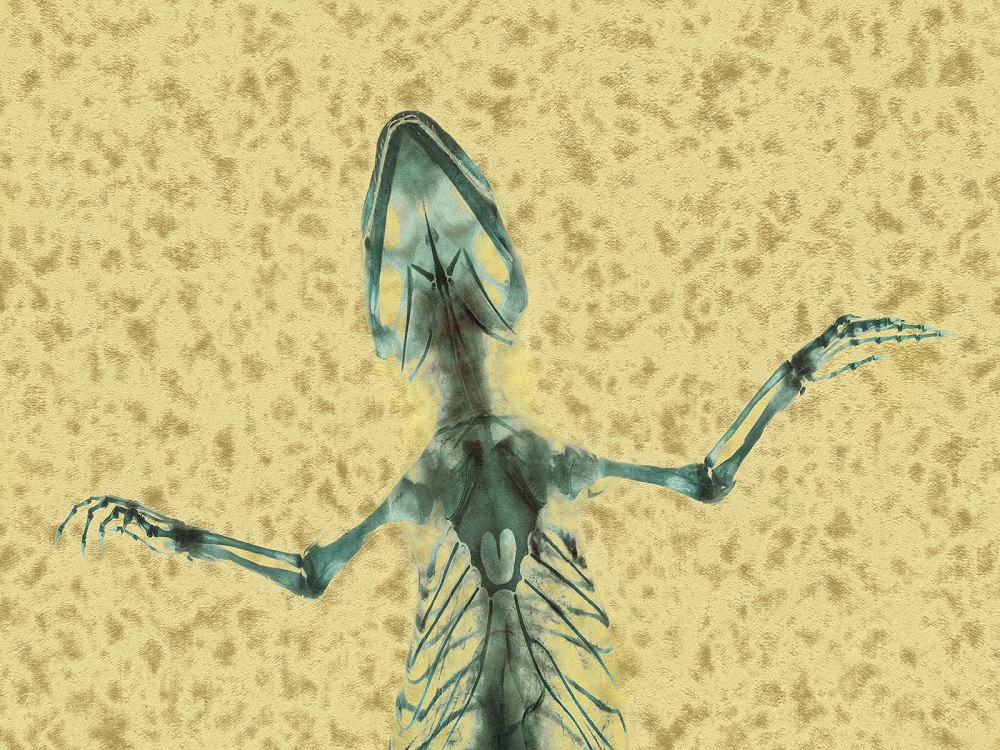
The project explores animal specimens that have been cleared and stained, a process in which they are treated with an enzyme to turn soft tissues transparent, then stained to make bones and cartilage stand out for studies of anatomy and morphology.

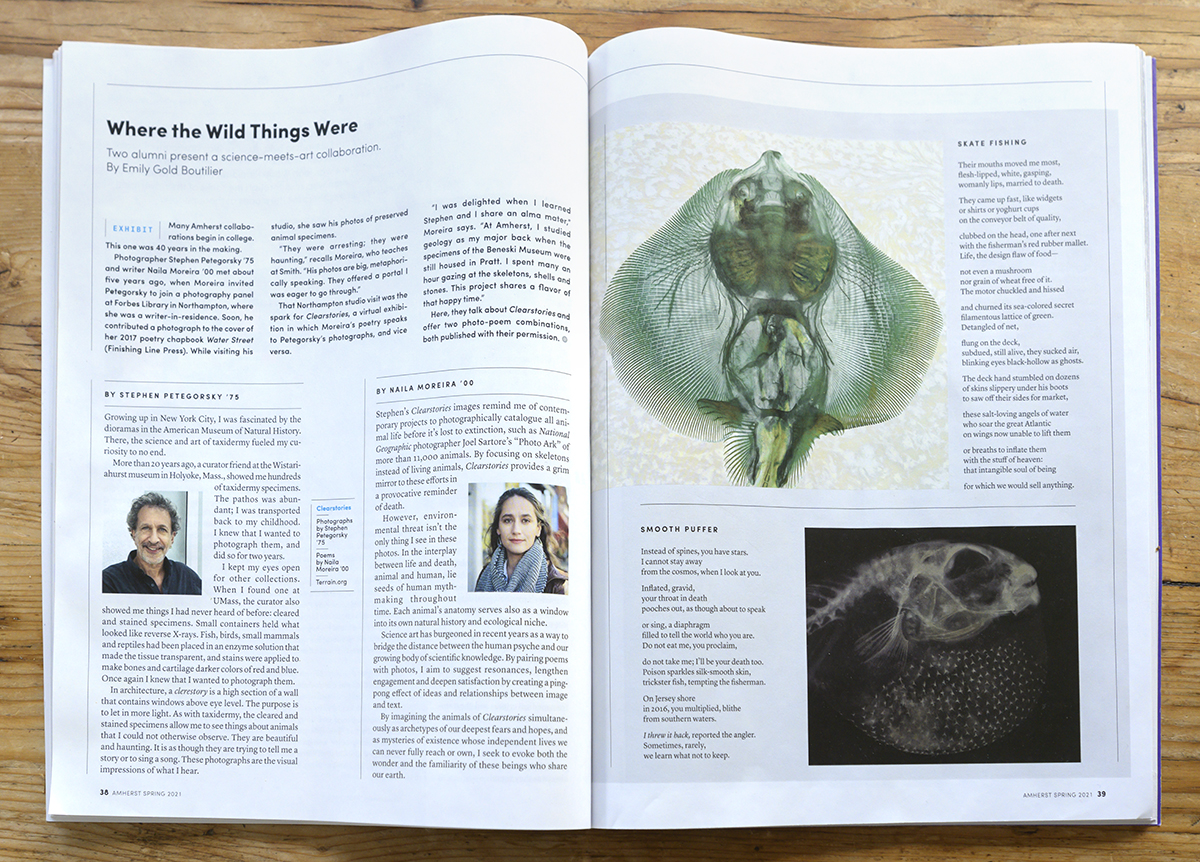
Two photo/poem pairs were also featured in Amherst Magazine.

Photo of Amherst Article

Top image: Fringe-Toed Sand Lizard, by Stephen Petegorsky.

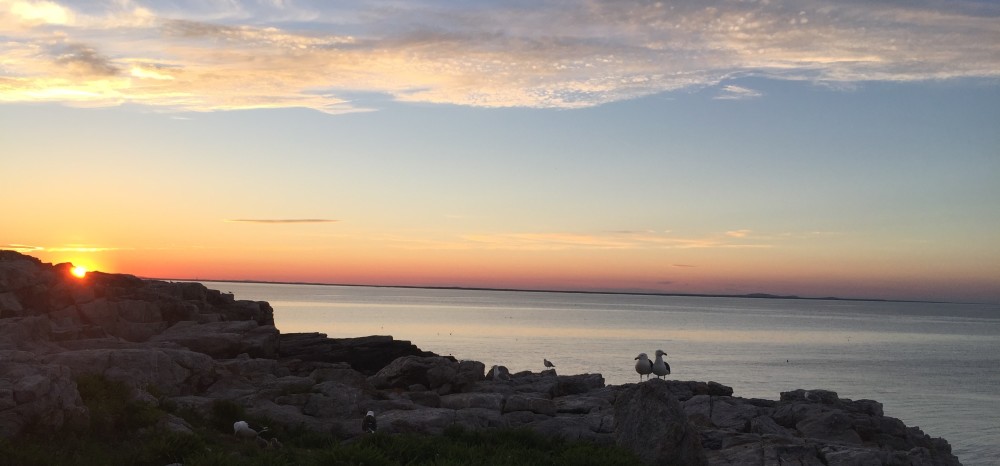
A black-backed gull pair in the sunset on Appledore Island.

The Reaper of the Sea

I somehow didn’t post this essay that I wrote based on my time as artist in residence at the Isles of Shoals. Published by the wonderful nature-writing magazine Terrain.org, it centers on a necropsy of a seal pup that died from entanglement in ‘ghost gear,’ or a lost fishing net.

With the seal’s body as a window, it depicts the battle for the ocean among fishermen, marine animals, and scientists as once-decimated seal populations begin to boom – and contemplates how death mediates our connection to nature.

I’m very proud that this essay was also nominated by Terrain for a John Burroughs Nature Essay Award.

The Reaper of the Sea

The dead seal lies on the table. The bulk of it unignorable: the heavy torpedo-shaped body, gray as a sea in storm; the whiskered head, the flippers; a mound of muscled ocean.

A gaggle of undergraduates duly robed in reusable plastic aprons, wrist guards, and nitrile gloves stares at the gruesome yet strangely beautiful torpedo laid sleepy-eyed on the aluminum …

Read more at Terrain.org

The Monarchs of Winghaven

I have some thrilling news, which is that my middle-grade novel, THE MONARCHS OF WINGHAVEN, will be published by Walker Books US in the spring of 2022:

PW Bookshelf announcement of THE MONARCHS OF WINGHAVEN

I’m so happy to have this opportunity to put a book into the world about a theme dear to my heart: a young person’s bond with nature. As a girl, I spent countless hours wandering the outdoors, birdwatching, taking nature notes, and learning to be silent and unobtrusive enough that animals from mice to skunks to snakes to muskrats came close enough for me to watch without even binoculars.

This book draws on many of those memories, and I’m beyond delighted for the opportunity to share them with others.

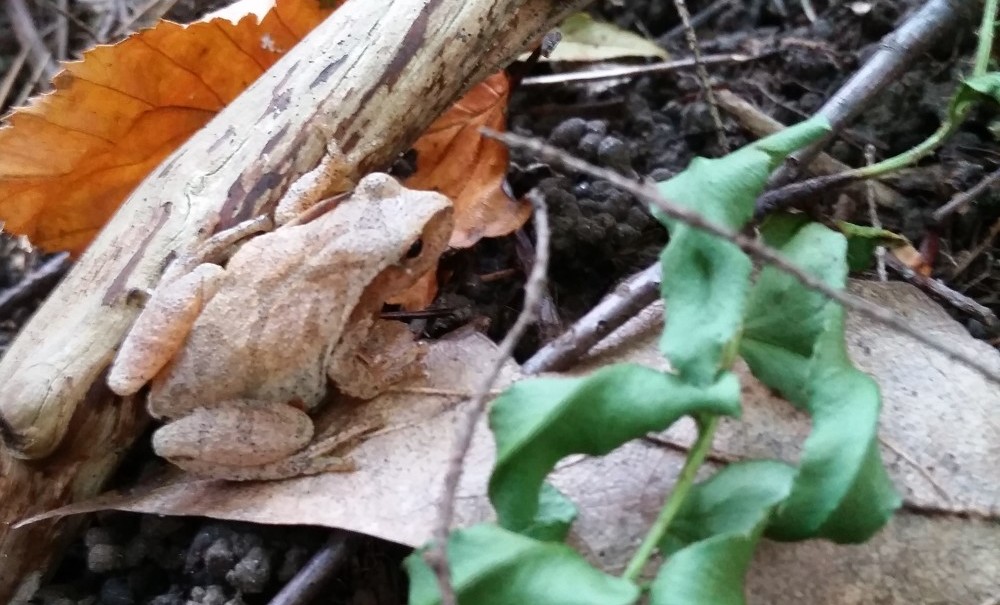
a spring peeper on a leaf

Roaming the Valley – ancient lakes, frogs, and sand volcanoes

Despite wintry weather chewing at my edges I’ve spent plenty of time outdoors roaming the Pioneer Valley in the last few months. In late January, UMass geoscientist Julie Brigham-Grette took me for a McPhee-style gander through regional geology:

Right now, we’re turning down a squelchy, pitted dirt road in the back fields of Sunderland. Minutes ago, Brigham-Grette told me that a local Hadley farmer banned her from his fields — she’d driven back there for a geology student field trip and buried her wheels in the mud. The farmer had to haul her out.

“I sent him a thank you card, I even sent a UMass hat,” she said. “But he still won’t let me come back.”

The back of her hybrid hatchback is stuffed with large maps and diagrams that block the rear view. Up front, it’s just the two of us and our muddy hiking boots. We pass a small road sign.

“Not maintained in winter,” Brigham-Grette reads aloud. “Well,” she adds, “we’re not going to get stuck.”

Very reassuring.

Brigham-Grette, a rail-thin geologist with straight blond hair and a flashbulb smile, first arrived as a professor at UMass 30 years ago. She specializes in paleoclimate, or ancient shifts in climate, and what those changes tell us about our climate today. Her work has taken her from the Arctic Circle in Alaska and Siberia to right here in our own backyard. In the process, she’s racked up an impressive body of knowledge about the geologic past of the ground below us.

Photo of Julie Brigham-Grette with a shovelful of sand

Today she’s showing me how that history meters everything about life in the Valley, from the agriculture to the economy to the drinking water.

Read more at the Daily Hampshire Gazette

One amazing feature Brigham-Grette showed me was these sand volcanoes. They’re artesian springs emerging from base of an ancient delta deposited in glacial Lake Hitchcock some 13,000 years ago. The delta’s big package of sand now forms a hill, in which thin layers of lake mud trap infiltrating rainwater, creating water pressure. When the pressurized water hits the edge of the hill, it spurts right out.

The water’s clean from filtering through meters of sand, so it’s used for drinking water and to feed artificial fish ponds at the Sunderland trout hatchery, where I took this video. I’ve seen such little volcanoes in Brazilian rivers, but who knew we had them right in our backyard?

This month, meanwhile, I wrote about frogs. I was pleased to have three of my own photos of local frogs featured with the piece.

Within the next few weeks the earliest of them will start calling — spring peepers, whose high, eager cries have always reminded me of the belling of a pack of faerie hunting hounds.

An age-old symbol of transformation, frogs couldn’t be a more fitting sign of spring. In growing from tadpole to frog, these weird beings are the largest animals on earth to experience such complete metamorphosis from larval to adult form.

Their yearly chorus heralds the startling changes soon to overtake the landscape — buds burgeoning to silvery green leaflets and then to shading leaf; flowers unfurling extravagant banners; birds knitting finely-crafted nests. What the frog does the whole world imitates.

Read more at the Daily Hampshire Gazette

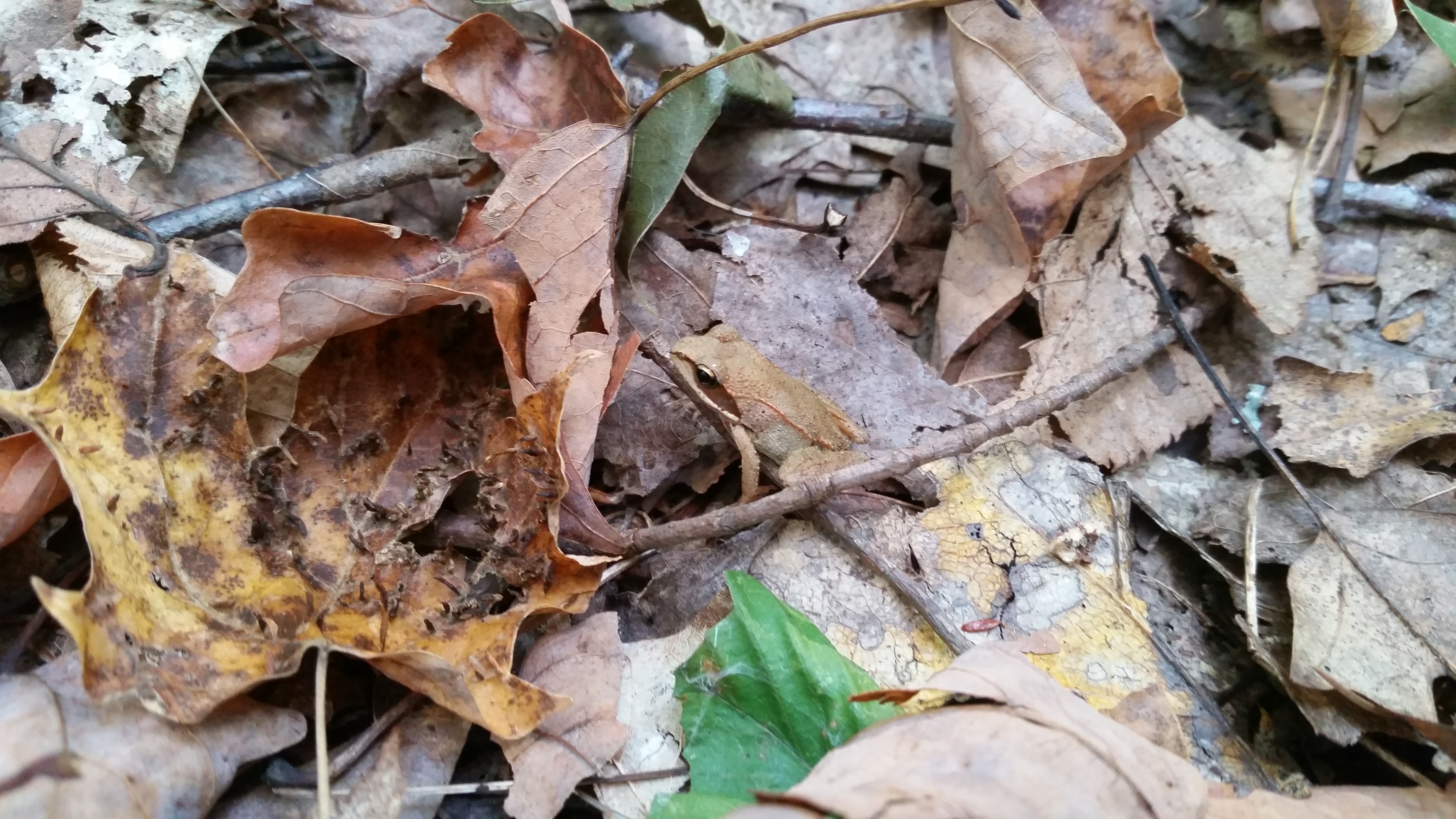
Find the frog:

a wood frog camouflaged among dry leaves

A world on fire

I’ve been slow to post my latest columns for the Daily Hampshire Gazette, so here’s a slug of them. Unsurprisingly, they all center on a similar theme – the way our world is heating, burning, every day hotter to the touch and to the thought.

While I’m posting, don’t forget to vote on November 6.

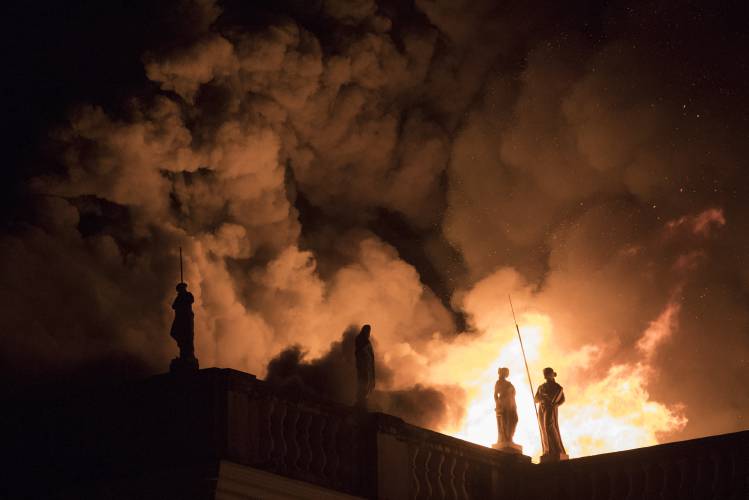
Photo credit: AP/Leo Correia

Sugar maples’ uncertain future

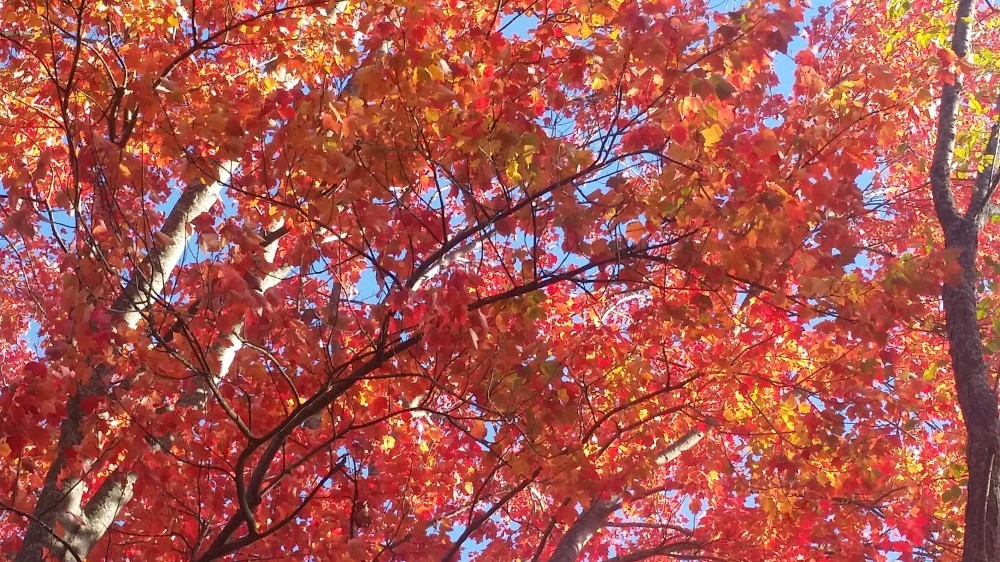
As the sugar and red maples finally turn from green to shades of red, peach, orange and yellow here where I sit writing beside the river, it feels like a good time to share my fears for them as New England’s loved and iconic tree in this new ecological future we are both living and creating.

From where I sit, I see a crimson-peach sapling reflected in the pool above the dam, rippled by wind, trembling there in watery mists of impermanence.

A Paean to the Dwindling Maple – Daily Hampshire Gazette

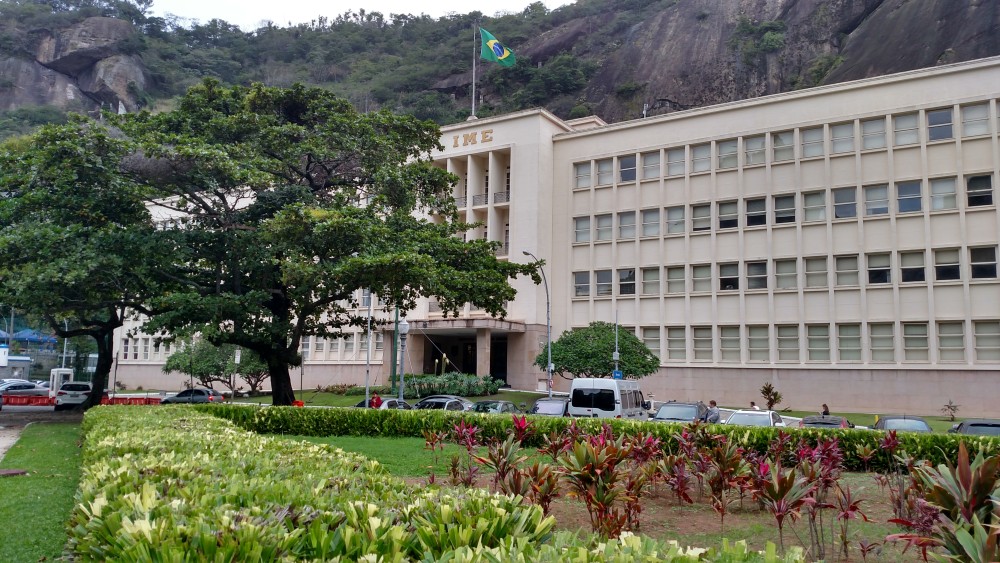
Instituto Militar de Engenharia

The story of science

As the return of spring brings a breath of hope, my latest for the Valley Advocate: a touch of memoir tangled up with politics and science.

*

As a kid in Brazil, my dad was science-obsessed. When a teenager, he convinced his uncle to bring him chemicals so he could make them react in his bedroom. Once, he burned through his windowsill when a beaker of sulfuric acid bubbled over.

He came of age during the early computer revolution and was quick to realize its potential. His own father wanted him to become an electrical engineer. But my dad is nothing if not stubborn. He followed his dream, working for Sperry Univac, which took him to London and finally America. Now, having once worked on room-sized vacuum-tube computers, he writes software for cell phones.

All through my childhood, my dad did science with me. From business trips he brought home toy science kits that he and my sister and I opened together. I still remember the chemistry one. It was crammed with little tubes and colorful reagents and stirring rods and instructions. The impact was indelible. My sister today is an organic chemist and teaches at Hampshire College.

My dad taught me how to program a computer. He took me birdwatching on Audubon Society field trips. With him, the world was rich, full of natural surprises to discover.

But I was also passionate for stories, for novels and poems and comics. So I ended by studying geology — the earth’s story…

read more here, at the Valley Advocate

*
The image at the top of the page shows the Instituto Militar de Engenharia, the military engineering institute in Rio where my father received his degree.

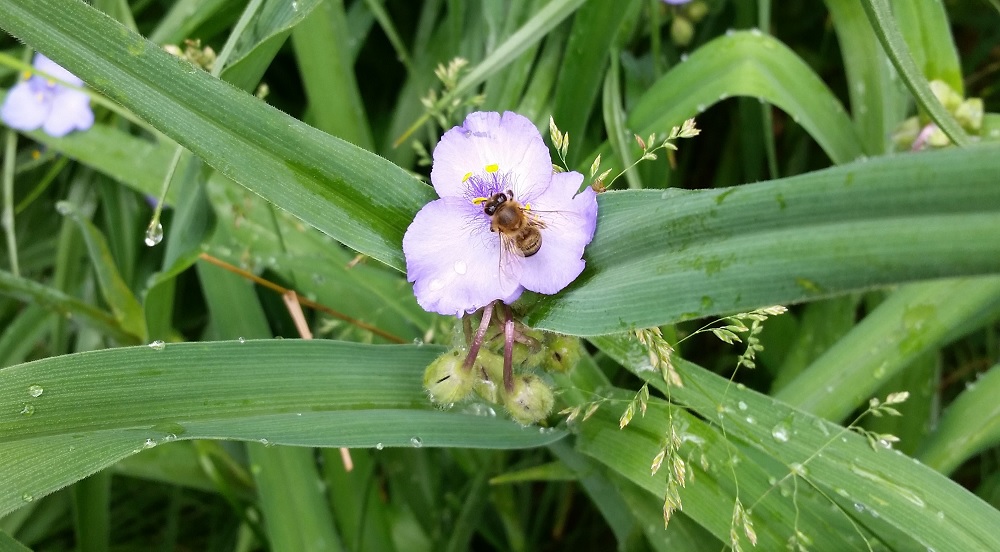
A honeybee frequents the wildflower spiderwort.

Bees, wild and tame

As the number of backyard and urban beekeepers surges nationwide, I visited a friend’s hives to write about honey bees. I also looked into the bees’ struggles with colony collapse disorder.

But writing the article, I found that a still more urgent problem than honey bees may be wild bees. Honey bees, lovely and important as they are, aren’t native. And the troubles that challenge them also afflict our native pollinators.

Many wild bees are in even more trouble than honey bees. Honey bees are highly productive pollinators and honey-makers, so human beings who need bees for their economic livelihood – from farmers to apiarists to restaurant owners – fret over their future and work to save them. Less so wild bees.

As biologist Lynn Dicks writes in Nature: “Although there have been dramatic falls in the numbers of managed honey bee Apis mellifera colonies in some countries, it remains a widespread and common bee, not in imminent danger of extinction.”

She reminds us that “there are bee species around the world in genuine danger of extinction, such as the once-common rusty-patched bumblebee in the United States, which has vanished from 87% of its historic range since the early 1990s.”

Wild bees saw a 23% decline between 2008 and 2013, according to a PNAS study.

Fortunately, efforts to help honey bees often help wild bees, too. I visited beekeeper Bonita Conlon at Warm Colors Apiary, which she co-owns with her husband Don Conlon, former president of the Massachusetts Beekeepers Association. Alongside diseases, the parasitic varroa mite, and pesticides, she pointed to a loss of forage area for both wild and honey bees.

“There used to be fields of wildflowers in the West, but they’ve plowed it under for corn and soybeans,” she said. “You need some wild areas for all the pollinators. Plant for the bees. Don’t mow the whole lawn, leave the wildflowers.” She also suggested that wildflowers should be allowed to flourish on highway median strips.

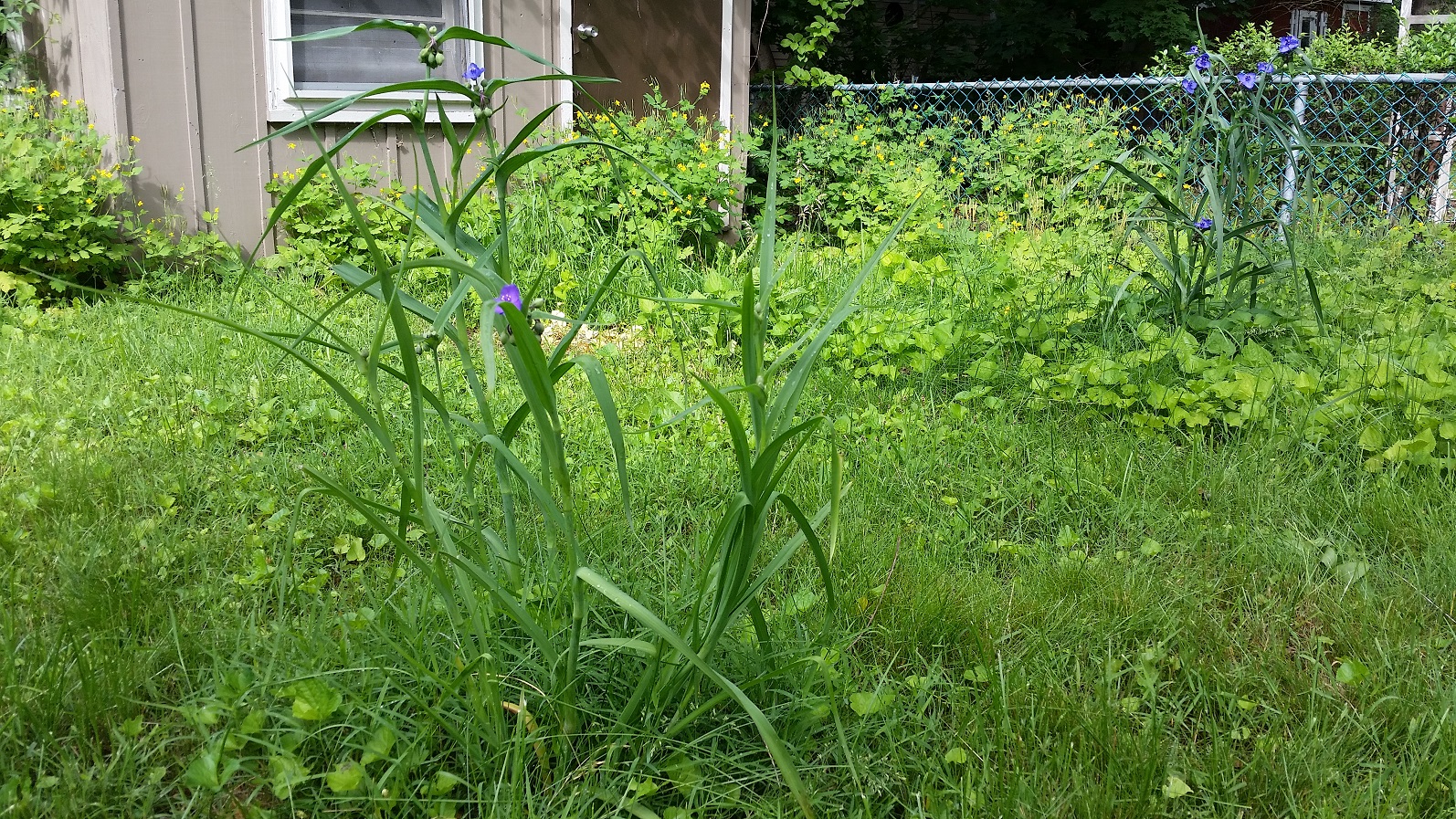
I took Conlon’s advice in the backyard of my own building, leaving patches of tall blue “weeds” scattered throughout the grass when mowing before a barbecue:
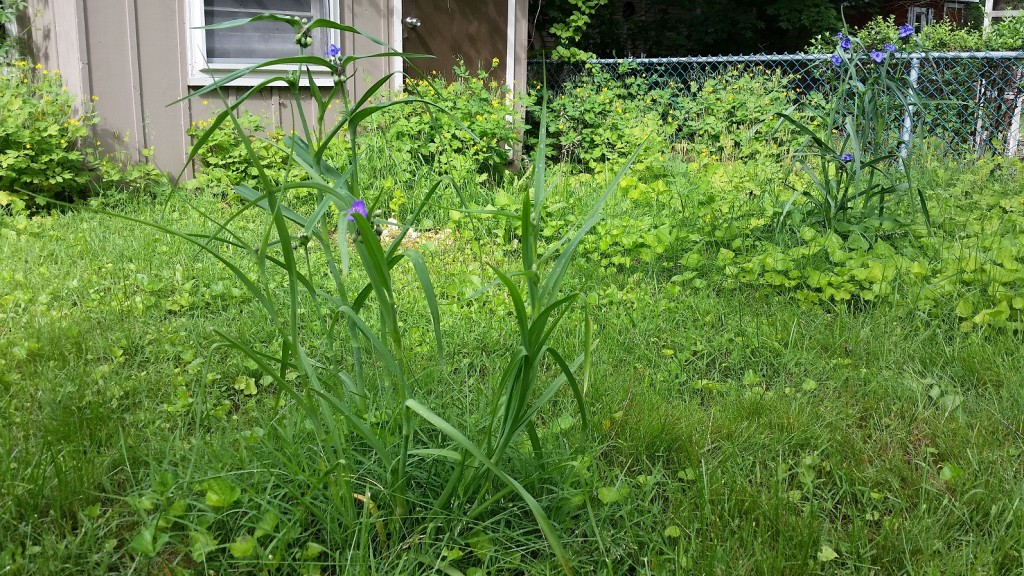
Spiderwort growing in my backyard.

They’re called spiderworts, an ungainly name for a beautiful flower, and they’re native from Canada all the way down to Argentina. In the top photo of this entry, a honey bee visited one of the flowers I left growing. I see native bumble bees on them from time to time, too.

I wrote more about the local history, poetry, and troubles of honey bees in my article for the Daily Hampshire Gazette:

I’ve always had a thing for creepy crawlies. I was the kid who always caught the wasp stuck in the classroom to let it out the window. I’ll still crouch to move a worm from the sidewalk into the grass.

So when a colleague of mine, Sara Eddy, started her first beehive, I devoured her Facebook posts about the process. And this spring, I had a chance to visit her and her bees.

The hive sat pertly in her Amherst backyard, painted lavender and protected from bears by an electric fence. The smoker she uses to calm the bees waited in her driveway, puffing a stream of gray into the air from its metal spout.
—-continue reading
Water, for one town and nationwide

I talked with Bob Flaherty on WHMP about water, crumbling water infrastructure nationwide, and the responsibility of large companies like Coca Cola – which operates a large plant in Northampton MA – regarding payment to towns for their water use.

An in depth look at Northampton’s new water sewer rate – WHMP Morning News

The original article in the Valley Advocate is available here.

Wrinkled flower

A world overheating

NORTHAMPTON — About a year ago, I saw three deer running across the Connecticut River. They weren’t walking on water: the river had frozen, thick enough to support their lightly tripping hooves. Last winter, Bostonians got so much snow they called it the Snowpocalypse.

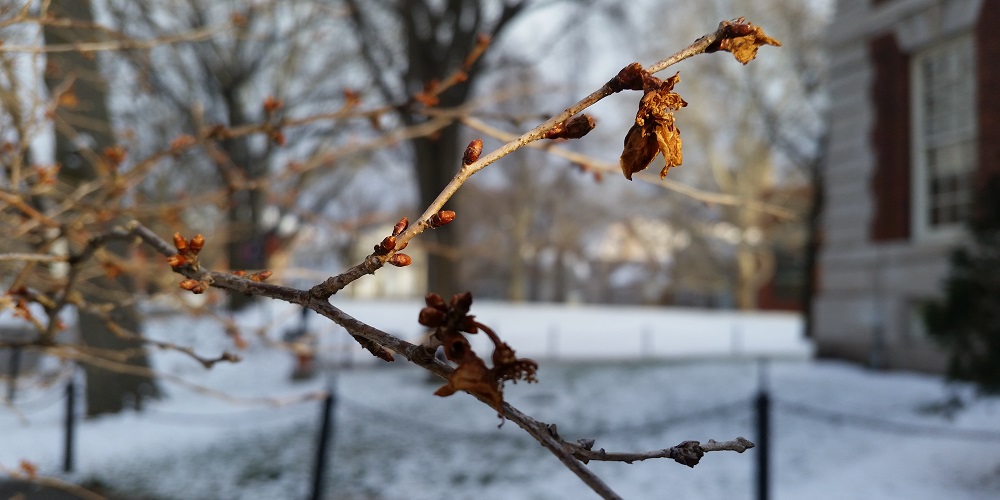
This December, I saw a deer again, but it stood on the Connecticut’s bank, its head dipped, drinking. Three kayakers paddled slowly towards it. I stood with my bicycle on the bike trail, clad only in a sweater. Outside my office, that morning, I’d seen a cherry tree putting out hesitant, puzzled white flowers – flowers that wilted and turned a wrinkled brown with the New Year’s cold snap that finally plunged us into the winter weather we’d been expecting.

We live in New England. Things change here. “If you don’t like the weather in New England,” Mark Twain wrote, “just wait a few minutes.”

I tell my students at Smith College that I’m not surprised that many people struggle to believe in climate change. But everyone knows flowers in late December are, to put it mildly, not normal…

Read more at the Daily Hampshire Gazette

*

I’ve also got an article out this week in Smith College’s research magazine on research into brain cancer, autism, depression, sleep disorders and other ailments using the versatile zebrafish:

Zebrafish: The Rising Superstars of Research – Insight Magazine

*

Photo above: A cherry blossom at Smith College withers during the January cold snap after flowering during December’s weird warmth.